Performance Analysis of Single Cylinder Diesel Engine with 2EHN Cetane Number Enhancer on Biodiesel
DOI:
https://doi.org/10.35814/asiimetrik.v8i1.8905Keywords:
diesel, engine, biodiesel, fuel, cetaneAbstract
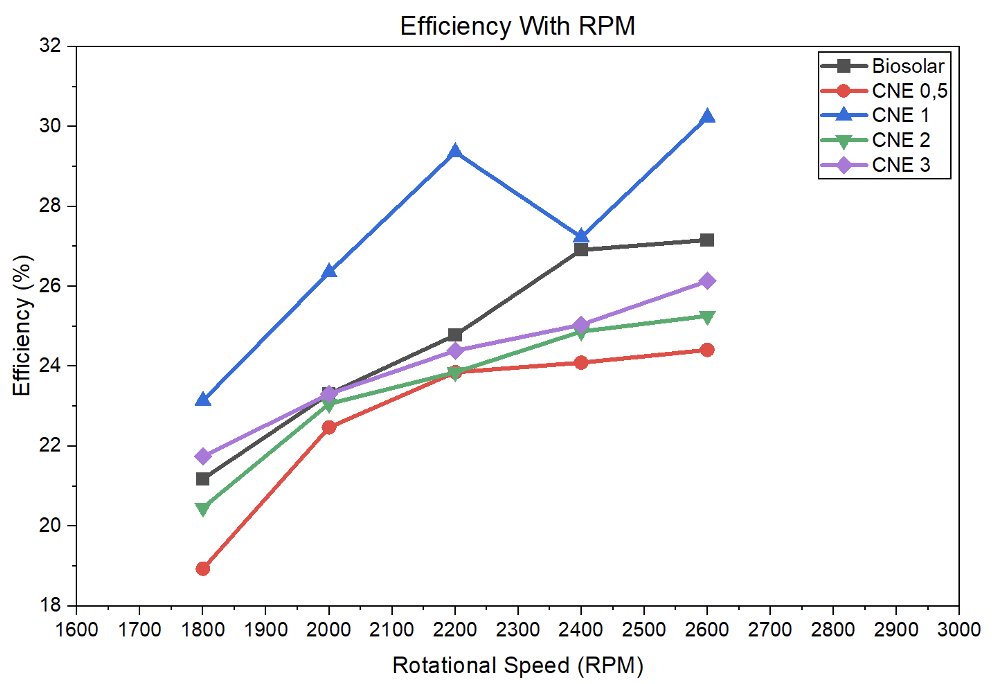
Diesel engines remain a critical technology across multiple sectors, including transportation, industry, marine, and agriculture, due to their well-known benefits such as high fuel efficiency, robust durability, and superior torque output. Even as electric vehicle technology rapidly advances, diesel engines continue to be utilized in demanding applications that require reliable, high-power performance under harsh conditions. This enduring relevance stems from their higher thermal efficiency and remarkable ability to function in extreme environments. However, diesel fuel differs from petrol in its combustion characteristics, notably having a lower combustion rate. This rate is measured by the cetane number, with higher cetane values indicating better combustion quality. To optimize engine performance, especially when using lower-cetane diesel fuel, additives are often used to increase the cetane number. This study explores the effects of combining 2-ethylhexyl nitrate, a cetane number enhancer, with Pertamina’s biodiesel product, bio solar. Using a single-cylinder diesel engine and a prony brake for testing, the study found that a 1:100 ratio of CNE to fuel delivered the best results among all mixtures. This blend achieved the highest thermal efficiency at 30.23% and recorded the lowest brake specific fuel consumption at 7.78265E-05 kg/kWh.Downloads
References
Ahmed, B.M. et al. (2025) ‘Experimental Study of 2-Ethylhexyl Nitrate Effects on Engine Performance and Exhaust Emissions of Diesel Engine Fueled with Diesel–2-Methylfuran Blends’, Energies, 18(1), p. 98. Available at: https://doi.org/10.3390/en18010098.
ASTM (2010) ‘Standard Specification for Biodiesel Fuel Blend Stock (B100) for Middle Distillate Fuels - ASTM D6751-09’. ASTM International. Available at: https://doi.org/10.1520/D6751-09.
ASTM (2023) ‘Standard Specification for Diesel Fuel - ASTM D975-23’. ASTM International. Available at: https://doi.org/10.1520/D0975-23.
Brahma, S. et al. (2022) ‘Biodiesel Production from Mixed Oils: A Sustainable Approach Towards Industrial Biofuel Production’, Chemical Engineering Journal Advances, 10, p. 100284. Available at: https://doi.org/10.1016/j.ceja.2022.100284.
Das, A.K. et al. (2024) ‘Evaluation of a Diesel Engine Performance and Emission Using Biogas in Dual Fuel Mode’, Mechanical Engineering for Society and Industry (MESI), 4(2), pp. 167–176. Available at: https://doi.org/10.31603/mesi.11407.
Dave, H., Sharma, K. and Chandrakant, S. (2024) ‘Combination of High Cetane Diesel Fuel and Post Injection Mode in a Diesel Engine: A Path Towards Lower Exhaust Emissions’, Case Studies in Thermal Engineering, 62, p. 105190. Available at: https://doi.org/10.1016/j.csite.2024.105190.
Ferguson, C.R. and Kirkpatrick, A.T. (2016) Internal Combustion Engines: Applied Thermosciences. Chichester, West Sussex, United Kingdom: Wiley. [Print]
Lin, C.-Y. and Wu, X.-E. (2022) ‘Determination of Cetane Number from Fatty Acid Compositions and Structures of Biodiesel’, Processes, 10(8), p. 1502. Available at: https://doi.org/10.3390/pr10081502.
Mahmudul, H.M. et al. (2017) ‘Production, Characterization and Performance of Biodiesel as an Alternative Fuel in Diesel Engines – A review’, Renewable and Sustainable Energy Reviews, 72, pp. 497–509. Available at: https://doi.org/10.1016/j.rser.2017.01.001.
Nasikin, M., Arbianti, R. and Azis, A. (2002) ‘Cetane Number Booster Additive for Diesel Fuel Synthesized from Coconut Oil’, Makara Journal of Technology, 6(2), pp. 83–88. Available at: https://doi.org/10.7454/mst.v6i2.92.
Paneerselvam, P. et al. (2021) ‘Evaluating the Influence of Cetane Improver Additives on the Outcomes of a Diesel Engine Characteristics Fueled with Peppermint Oil Diesel Blend’, Energies, 14(10), p. 2786. Available at: https://doi.org/10.3390/en14102786.
Şimşek, S. and Uslu, S. (2021) ‘Analysis of The Effects of Cetane Improver Addition to Diesel on Engine Performance and Emissions’, International Journal of Automotive Engineering and Technologies, 10(1), pp. 26–32. Available at: https://doi.org/10.18245/ijaet.798221.
Sudarmanta, B., Darsopuspito, S. and Sungkono, D. (2014) ‘Influence of Bioethanol-Gasoline Blended Fuel on Performance and Emissions Characteristics from Port Injection Sinjai Engine 650 cc’, Applied Mechanics and Materials, 493, pp. 273–280. Available at: https://doi.org/10.4028/www.scientific.net/AMM.493.273.
Suhara, A. et al. (2024) ‘Biodiesel Sustainability: Review of Progress and Challenges of Biodiesel as Sustainable Biofuel’, Clean Technologies, 6(3), pp. 886–906. Available at: https://doi.org/10.3390/cleantechnol6030045.
Vera-Rozo, J.R. et al. (2022) ‘Cetane Index Prediction Based on Biodiesel Distillation Curve’, Fuel, 321, p. 124063. Available at: https://doi.org/10.1016/j.fuel.2022.124063.
Verma, P. and Sharma, M.P. (2016) ‘Review of Process Parameters for Biodiesel Production from Different Feedstocks’, Renewable and Sustainable Energy Reviews, 62, pp. 1063–1071. Available at: https://doi.org/10.1016/j.rser.2016.04.054.
Downloads
Published
Issue
Section
License
Copyright (c) 2026 Jurnal Asiimetrik: Jurnal Ilmiah Rekayasa & Inovasi

This work is licensed under a Creative Commons Attribution-NonCommercial 4.0 International License.